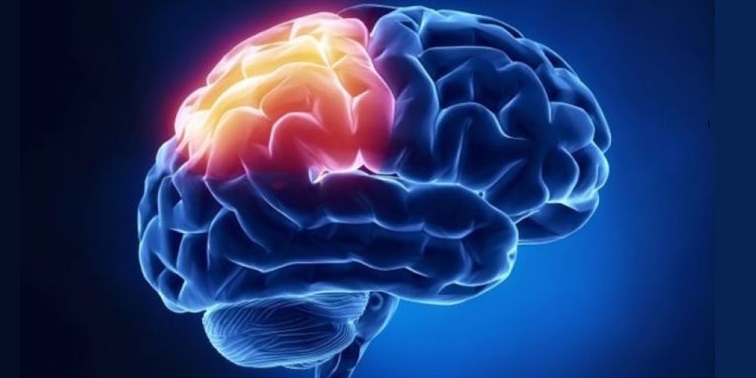
Hydrocephalus in Adults: Symptoms, Causes and Treatment Options
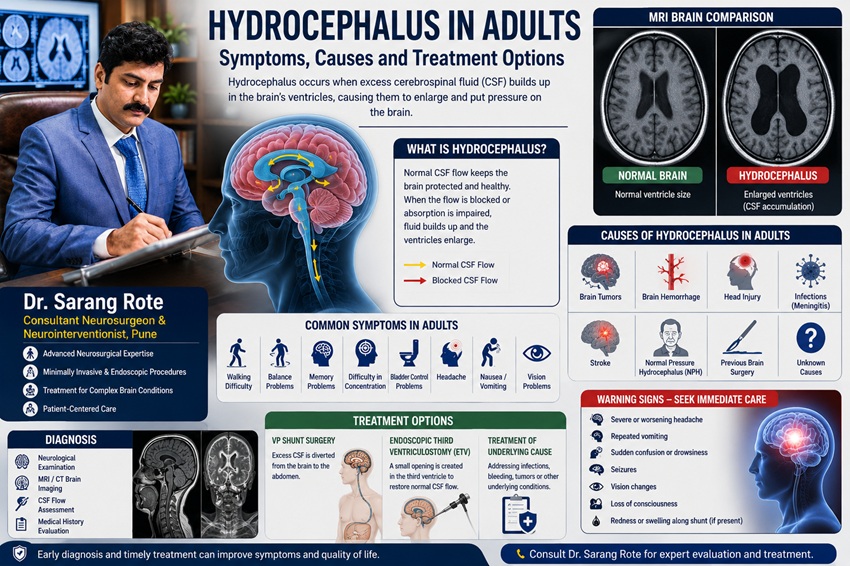
Hydrocephalus is a condition in which excess cerebrospinal fluid, commonly called CSF, builds up inside spaces called ventricles within the brain.
CSF normally circulates through the brain and spinal cord, providing cushioning and helping maintain a healthy environment for the nervous system. When its flow or absorption is disrupted, fluid can accumulate and enlarge the brain's ventricles.
In adults, hydrocephalus can develop because of blocked CSF flow, impaired absorption, bleeding, infection, tumors, head injury or other neurological conditions.
The symptoms can vary considerably. Some adults may experience headaches, nausea, vision problems or balance difficulties, while others may gradually develop problems with walking, memory, concentration or bladder control.
Early diagnosis is important because several treatable conditions can produce symptoms similar to hydrocephalus.
What Is Hydrocephalus?
Hydrocephalus occurs when there is an abnormal buildup of cerebrospinal fluid within the brain's ventricles.
The ventricles are fluid-filled spaces deep inside the brain. CSF normally flows through these spaces and around the brain and spinal cord before being absorbed into the bloodstream.
When CSF accumulates, the ventricles can become enlarged and may place pressure on surrounding brain tissue.
Hydrocephalus can occur at any age, but certain forms are particularly important in older adults.
What Is Cerebrospinal Fluid?
Cerebrospinal fluid, or CSF, is a clear fluid that surrounds the brain and spinal cord.
It has several important functions, including:
- Cushioning the brain and spinal cord
- Helping protect the nervous system from injury
- Supporting the brain's normal environment
- Helping remove certain waste products
- Participating in regulation of pressure within the skull
Normally, CSF is continuously produced, circulates through the brain and spinal cord and is eventually reabsorbed.
Problems with this process can result in hydrocephalus.
What Causes Hydrocephalus in Adults?
Adult hydrocephalus can have several causes.
These may include:
- Blockage of normal CSF flow
- Brain tumors
- Spinal cord or brain tumors affecting CSF circulation
- Brain infections
- Meningitis
- Bleeding in the brain
- Subarachnoid hemorrhage
- Intraventricular hemorrhage
- Head injury
- Stroke
- Previous brain surgery
- Inflammation affecting CSF absorption
- Normal-pressure hydrocephalus without an identifiable cause
In some adults, the exact cause may not be clear.
Obstructive Hydrocephalus
Obstructive hydrocephalus occurs when something blocks the normal movement of CSF through the brain's ventricular system.
Possible causes include:
- Brain tumors
- Cysts
- Narrowing of CSF pathways
- Structural abnormalities
- Blood clots or other obstructions
When CSF cannot flow normally, fluid may accumulate behind the blockage and cause the ventricles to enlarge.
Depending on the location of the obstruction, symptoms can develop quickly and may require urgent treatment.
Communicating Hydrocephalus
In communicating hydrocephalus, CSF can still move through the ventricles, but its absorption into the bloodstream is impaired.
This can occur after:
- Brain bleeding
- Meningitis
- Brain inflammation
- Head injury
- Other conditions affecting CSF absorption
The treatment depends on the underlying cause and the severity of symptoms.
Normal Pressure Hydrocephalus in Adults
Normal-pressure hydrocephalus, or NPH, is an important form of hydrocephalus seen particularly in older adults.
Despite enlargement of the brain's ventricles, the measured CSF pressure may remain within a typical range.
NPH is classically associated with three major groups of symptoms:
- Walking difficulties
- Bladder control problems
- Changes in thinking, memory or reasoning
The symptoms often develop gradually and may sometimes be mistaken for normal ageing, Parkinson's disease, dementia or other neurological conditions.
Hydrocephalus Ex Vacuo
Hydrocephalus ex vacuo occurs when brain tissue is lost because of conditions such as stroke, head injury or other brain damage.
As brain tissue shrinks, the spaces containing CSF can become larger.
Although the ventricles may appear enlarged on imaging, this is different from true hydrocephalus caused by excess CSF buildup.
Proper diagnosis is therefore important when enlarged ventricles are seen on a brain scan.
Symptoms of Hydrocephalus in Adults
Symptoms depend on the type of hydrocephalus, how quickly it develops and the underlying cause.
Common symptoms may include:
- Headache
- Nausea or vomiting
- Blurred or double vision
- Balance problems
- Difficulty walking
- Memory problems
- Reduced concentration
- Slower thinking
- Changes in personality or behaviour
- Sleepiness
- Loss of bladder control
- Frequent urination
- Poor coordination
- General slowing of movement
Older adults with normal-pressure hydrocephalus may particularly experience walking, cognitive and bladder problems.
1. Difficulty Walking
Walking problems are one of the important symptoms of adult hydrocephalus, especially normal-pressure hydrocephalus.
A person may notice:
- Shorter steps
- Shuffling while walking
- Feeling that the feet are stuck to the floor
- Difficulty starting to walk
- Difficulty turning
- Unsteadiness
- Frequent falls
- Reduced walking speed
These symptoms can gradually become worse.
Because walking difficulties can have many causes, neurological assessment is important.
2. Balance Problems
Hydrocephalus can affect the brain pathways involved in balance and coordination.
Patients may experience:
- Unsteady walking
- Difficulty maintaining balance
- Frequent stumbling
- Increased risk of falls
- Difficulty changing direction while walking
Progressive balance problems should not simply be attributed to ageing without appropriate evaluation.
3. Memory and Thinking Problems
Adults with hydrocephalus may develop changes in cognitive function.
These can include:
- Forgetfulness
- Reduced concentration
- Slower thinking
- Difficulty planning tasks
- Reduced problem-solving ability
- Difficulty completing familiar activities
- Changes in judgement
- Decline in work performance
In normal-pressure hydrocephalus, these changes may develop gradually.
4. Bladder Problems
Changes in bladder control can occur in adult hydrocephalus.
Symptoms may include:
- Frequent urination
- Urinary urgency
- Difficulty controlling urination
- Urinary incontinence
When bladder symptoms occur together with walking and cognitive changes, normal-pressure hydrocephalus may be considered during neurological evaluation.
5. Headache
Headache can occur in hydrocephalus, particularly when CSF buildup causes increased pressure within the skull.
The nature and severity of headache can vary.
Headache accompanied by:
- Vomiting
- Vision problems
- Severe drowsiness
- Confusion
- New neurological symptoms
requires prompt medical evaluation.
6. Nausea and Vomiting
In some forms of hydrocephalus, particularly when intracranial pressure rises, patients may develop nausea or vomiting.
Repeated unexplained vomiting combined with headache or neurological symptoms should be medically evaluated.
7. Vision Problems
Hydrocephalus can sometimes cause:
- Blurred vision
- Double vision
- Difficulty focusing
- Other visual disturbances
Vision changes may occur because increased pressure affects neurological pathways or structures involved in vision.
8. Slowed Movement
Some adults with hydrocephalus may develop generalized slowing of movement.
This can make everyday activities take longer and may be accompanied by:
- Walking difficulty
- Balance problems
- Reduced coordination
- Slower responses
9. Sleepiness and Reduced Alertness
Some patients may experience increased sleepiness or sluggishness.
Severe drowsiness, especially when it develops suddenly with headache, vomiting or neurological changes, requires urgent medical evaluation.
Hydrocephalus Symptoms That Should Not Be Ignored
Seek medical evaluation if an adult develops:
- Progressive difficulty walking
- New balance problems
- Increasing memory problems
- New bladder control problems
- Persistent headaches
- Repeated unexplained vomiting
- Vision changes
- Increasing sleepiness
- New confusion
- Progressive changes in personality or behaviour
These symptoms can have many possible causes, but timely evaluation can help identify potentially treatable neurological conditions.
When Is Hydrocephalus an Emergency?
Some forms of hydrocephalus can develop rapidly and cause dangerous increases in pressure within the skull.
Immediate medical evaluation is important when symptoms such as these develop suddenly:
- Severe or rapidly worsening headache
- Repeated vomiting
- Sudden confusion
- Severe drowsiness or difficulty waking
- New seizure
- Sudden vision problems
- Rapidly worsening weakness
- Loss of consciousness
- Rapid deterioration in neurological function
Acute hydrocephalus can be a medical emergency and may require urgent treatment to relieve pressure and restore CSF circulation.
Hydrocephalus After Brain Hemorrhage
Hydrocephalus can develop after bleeding inside or around the brain.
For example, subarachnoid hemorrhage or intraventricular hemorrhage can interfere with normal CSF circulation or absorption.
Patients who develop worsening headaches, vomiting, drowsiness, confusion or neurological deterioration after a brain hemorrhage require urgent assessment.
Hydrocephalus After Head Injury
A significant head injury can sometimes disrupt normal CSF circulation.
Hydrocephalus may develop immediately or later following the injury.
Patients with a history of head trauma who subsequently develop:
- Headache
- Memory problems
- Walking difficulties
- Balance problems
- Vomiting
- Drowsiness
- Bladder changes
should discuss these symptoms with a medical professional.
Hydrocephalus Caused by Brain Tumors
A brain tumor can sometimes block the normal flow of CSF.
If the tumor obstructs a narrow CSF pathway, fluid can accumulate in the ventricles.
Treatment in such cases may require addressing both:
- The hydrocephalus
- The underlying tumor
Depending on the situation, treatment may involve surgery, CSF diversion, tumor-directed treatment or a combination of approaches.
How Is Hydrocephalus Diagnosed?
Diagnosis usually involves:
- Detailed medical history
- Physical examination
- Neurological examination
- Brain imaging
- Additional tests when required
The doctor may evaluate:
- Walking
- Balance
- Coordination
- Muscle strength
- Reflexes
- Vision
- Eye movements
- Memory
- Thinking and reasoning
- Bladder symptoms
Imaging helps determine whether the ventricles are enlarged and may help identify the underlying cause.
MRI Brain for Hydrocephalus
MRI is an important imaging test for adults with suspected hydrocephalus.
MRI can help show:
- Enlargement of the ventricles
- Brain structures surrounding the ventricles
- Possible obstruction of CSF flow
- Tumors
- Previous brain injury
- Other structural abnormalities
MRI can provide more detailed information than CT and is generally the preferred imaging test for adults with hydrocephalus.
CT Scan for Hydrocephalus
CT scans can quickly show whether the brain's ventricles are enlarged.
CT may be particularly useful in emergency situations because it is fast and widely available.
It can also help identify:
- Brain bleeding
- Certain tumors
- Structural abnormalities
- Acute changes causing hydrocephalus
However, MRI generally provides more detailed information about the brain and CSF pathways.
Lumbar Puncture and CSF Testing
In selected patients, a lumbar puncture may be used to remove and analyse cerebrospinal fluid.
In normal-pressure hydrocephalus, doctors may use a carefully planned CSF drainage or tap test as part of the evaluation to determine whether symptoms, particularly walking, may improve after fluid removal.
This test should only be performed when considered appropriate by the treating medical team.
Neurological Examination
A neurological examination can provide important information about the effects of hydrocephalus.
The doctor may assess:
- Walking pattern
- Balance
- Coordination
- Muscle strength
- Reflexes
- Eye movements
- Vision
- Mental functioning
- Memory
- Mood and behaviour
These findings are considered together with imaging and other investigations.
Treatment Options for Hydrocephalus in Adults
Treatment depends on:
- Type of hydrocephalus
- Underlying cause
- Severity of symptoms
- Rate of progression
- Patient's age
- Overall neurological condition
Treatment options may include:
- Observation in selected cases
- Ventriculoperitoneal shunt
- Other CSF shunt systems
- Endoscopic third ventriculostomy
- Temporary external ventricular drainage in emergency situations
- Treatment of an underlying tumor, infection or bleeding
- Rehabilitation after treatment
Surgery is the main treatment for many symptomatic cases.
Ventriculoperitoneal Shunt
A ventriculoperitoneal, or VP, shunt is one of the most commonly used treatments for hydrocephalus.
A thin tube is placed into one of the brain's ventricles.
The tubing travels under the skin to the abdomen, where the excess CSF can be absorbed by the body.
A valve helps control the flow of fluid through the shunt.
VP shunts can effectively manage hydrocephalus, but they require regular medical follow-up because complications such as blockage, infection or malfunction can occur.
Other Types of Shunts
Depending on the patient's condition, CSF may be diverted to other areas of the body.
The most appropriate shunt system depends on:
- Type of hydrocephalus
- Patient's anatomy
- Underlying cause
- Clinical condition
- Previous surgeries
The treating neurosurgeon determines the most appropriate system.
Endoscopic Third Ventriculostomy
Endoscopic third ventriculostomy, commonly called ETV, is a minimally invasive procedure used in selected patients with hydrocephalus.
During ETV, the neurosurgeon uses a small endoscope to access the ventricular system and creates a small opening in the floor of the third ventricle.
This creates an alternative pathway for CSF to flow and can relieve pressure in appropriately selected patients.
ETV vs Shunt: Which Is Better?
There is no single treatment that is best for every patient.
The choice between ETV and shunt treatment depends on factors such as:
- Type of hydrocephalus
- Location of CSF obstruction
- Age
- Previous treatment
- Brain anatomy
- Underlying cause
- Overall health
Some patients may benefit from ETV, while others may require a shunt.
The decision should be made after detailed neurological and imaging evaluation.
Emergency CSF Drainage
In certain acute situations, doctors may temporarily drain CSF to rapidly reduce pressure within the brain.
An external ventricular drain, or EVD, may be used in selected emergency situations such as acute hydrocephalus associated with brain hemorrhage or other serious neurological conditions.
This is generally a temporary treatment while the underlying problem is evaluated and definitive management is planned.
Treatment of the Underlying Cause
Hydrocephalus treatment may also require addressing the condition that caused the CSF circulation problem.
For example:
If a tumor is causing obstruction
Treatment may involve tumor surgery or other tumor-directed treatment.
If an infection is involved
Appropriate antimicrobial treatment may be required.
If bleeding caused hydrocephalus
The bleeding and its underlying cause need to be managed while controlling the CSF buildup.
If head trauma is involved
Treatment depends on the severity of the injury and associated brain damage.
Normal Pressure Hydrocephalus Treatment
Treatment for symptomatic normal-pressure hydrocephalus commonly involves CSF diversion, usually through a shunt, in appropriately selected patients.
Doctors may use clinical assessment, brain imaging and sometimes CSF drainage testing to help determine whether a patient is likely to benefit.
Early recognition and treatment may improve the chance of functional recovery.
Can Hydrocephalus Be Treated Without Surgery?
Not every person with enlarged ventricles needs immediate surgery.
Some people with no symptoms or stable findings may be monitored with regular neurological assessment and imaging.
However, symptomatic or progressive hydrocephalus often requires treatment to control CSF buildup.
The decision depends on the underlying cause and the patient's symptoms.
Hydrocephalus Surgery Recovery
Recovery depends on:
- Type of hydrocephalus
- Duration of symptoms
- Patient's age
- Neurological condition
- Type of surgery
- Underlying cause
Some patients experience improvement in walking, bladder control or cognitive symptoms after successful treatment.
Recovery may take time, particularly when symptoms have been present for a long period.
Some patients may benefit from:
- Physiotherapy
- Balance training
- Walking rehabilitation
- Occupational therapy
- Cognitive rehabilitation
- Regular neurological follow-up
Shunt Follow-Up and Warning Signs
Patients with a shunt require regular follow-up.
A shunt can occasionally become blocked, infected or malfunction.
Possible warning signs include:
- Return of previous hydrocephalus symptoms
- Headache
- Nausea or vomiting
- Vision changes
- Excessive sleepiness
- Seizures
- Redness or tenderness along the shunt pathway
- Fever
If symptoms suggesting shunt malfunction or infection occur, medical assessment should be sought promptly.
Can Hydrocephalus Come Back After Treatment?
Hydrocephalus can sometimes recur if a shunt stops functioning properly or if the underlying problem continues to interfere with CSF circulation.
Some patients may require shunt revision or another procedure during their lifetime.
Regular follow-up helps doctors identify problems early.
Why Early Diagnosis Matters
Hydrocephalus can progressively affect walking, thinking, bladder function and other neurological abilities.
Some forms can also cause dangerous increases in pressure within the skull.
Early diagnosis allows doctors to:
- Identify the cause
- Assess the severity
- Monitor progression
- Determine whether surgery is required
- Select the most appropriate treatment
- Address complications before they become severe
Prompt evaluation is particularly important when neurological symptoms are worsening.
Hydrocephalus Treatment in Pune
Adult hydrocephalus requires careful neurological and imaging evaluation because symptoms can overlap with other brain and neurological disorders.
Dr. Sarang Rote is a Consultant Neurosurgeon & Neurointerventionist in Pune. His official profile highlights advanced neurosurgical training, minimally invasive modalities and endoscopic neurosurgery. His listed areas of practice include complex brain conditions and other neurosurgical disorders.
Patients with suspected hydrocephalus can undergo specialist evaluation to determine the cause of ventricular enlargement and whether CSF diversion, endoscopic treatment or another approach may be appropriate.
Why Choose Dr. Sarang Rote?
Hydrocephalus treatment requires careful assessment of the brain's CSF pathways and the underlying cause of fluid buildup.
Dr. Sarang Rote is a Consultant Neurosurgeon & Neurointerventionist in Pune with focused neurosurgical training and experience in advanced minimally invasive and endoscopic neurosurgical procedures.
Patients may consider specialist evaluation for:
- Detailed neurological assessment
- Evaluation of enlarged brain ventricles
- Assessment of CSF circulation problems
- MRI-based treatment planning
- Evaluation of obstructive hydrocephalus
- Assessment for CSF diversion procedures
- Evaluation of suitable minimally invasive or endoscopic approaches
- Long-term follow-up after neurosurgical treatment
The most appropriate treatment depends on the patient's age, symptoms, type of hydrocephalus, imaging findings and underlying cause.
How Can Hydrocephalus Be Prevented?
Not all cases of hydrocephalus can be prevented.
However, certain measures may reduce the risk of conditions that can contribute to hydrocephalus.
These include:
- Preventing head injuries
- Using helmets and seat belts appropriately
- Treating brain infections promptly
- Managing conditions that increase the risk of stroke
- Seeking medical attention after significant head trauma
- Following appropriate treatment for brain hemorrhage
- Monitoring known brain tumors and neurological conditions
Many cases, particularly normal-pressure hydrocephalus, may occur without a clearly identifiable cause.
Frequently Asked Questions About Hydrocephalus in Adults
1. What is hydrocephalus in adults?
Hydrocephalus is a condition in which cerebrospinal fluid builds up inside the brain's ventricles, causing them to enlarge and potentially affecting brain function.
2. What are the symptoms of hydrocephalus in adults?
Symptoms may include headaches, balance problems, difficulty walking, memory changes, slowed thinking, vision problems, nausea, vomiting and bladder control problems.
3. What is normal-pressure hydrocephalus?
Normal-pressure hydrocephalus is a form of hydrocephalus seen particularly in older adults. It commonly causes walking difficulties, bladder problems and changes in thinking or memory.
4. Can hydrocephalus occur after a brain hemorrhage?
Yes. Brain bleeding, including subarachnoid or intraventricular hemorrhage, can interfere with CSF circulation and lead to hydrocephalus.
5. Can a brain tumor cause hydrocephalus?
Yes. A brain tumor can block CSF pathways and cause fluid to accumulate within the ventricles.
6. Is MRI needed to diagnose hydrocephalus?
MRI is an important imaging test for adults with suspected hydrocephalus. It can show enlarged ventricles and help identify the underlying cause.
7. Can hydrocephalus be treated without surgery?
Some people with mild or asymptomatic ventricular enlargement may be monitored. However, symptomatic hydrocephalus often requires treatment, and surgery is the main treatment for many cases.
8. What is a VP shunt?
A ventriculoperitoneal shunt is a tube and valve system that drains excess CSF from the brain into the abdomen, where the fluid can be absorbed by the body.
9. What is endoscopic third ventriculostomy?
ETV is a minimally invasive procedure in which a neurosurgeon creates a small opening in the third ventricle to provide an alternative pathway for CSF flow.
10. Is ETV better than a shunt?
Neither treatment is universally better. The choice depends on the type and cause of hydrocephalus, brain anatomy and other patient-specific factors.
11. Can hydrocephalus affect walking?
Yes. Walking difficulty is particularly important in normal-pressure hydrocephalus and may include shuffling steps, difficulty initiating walking, balance problems and a feeling that the feet are stuck.
12. Can hydrocephalus cause memory loss?
Yes. Hydrocephalus can cause changes in memory, concentration, thinking and reasoning. These symptoms are particularly recognised in normal-pressure hydrocephalus.
13. Can hydrocephalus cause urinary problems?
Yes. Frequent urination, urinary urgency and loss of bladder control can occur, particularly in normal-pressure hydrocephalus.
14. What are the emergency symptoms of hydrocephalus?
Severe or rapidly worsening headache, repeated vomiting, severe drowsiness, confusion, seizures, loss of consciousness or rapidly worsening neurological symptoms require urgent medical attention.
15. Can a hydrocephalus shunt stop working?
Yes. A shunt can become blocked, infected or malfunction. Return of previous symptoms, headache, vomiting, excessive sleepiness, seizures, fever or redness along the shunt pathway should be evaluated promptly.
16. Who should I consult for hydrocephalus in Pune?
Adults with suspected hydrocephalus should be evaluated by an appropriate neurologist or neurosurgeon. Dr. Sarang Rote is a Consultant Neurosurgeon & Neurointerventionist in Pune with experience in advanced and endoscopic neurosurgical procedures.
Conclusion
Hydrocephalus in adults occurs when cerebrospinal fluid builds up within the brain's ventricles and affects normal brain function.
The symptoms can range from headaches, nausea and vision problems to balance difficulties, walking problems, memory changes and bladder control issues.
Normal-pressure hydrocephalus is particularly important in older adults because its symptoms can sometimes resemble other age-related neurological conditions.
Diagnosis generally involves neurological assessment and brain imaging, with MRI playing an important role in evaluating adults with suspected hydrocephalus.
Treatment depends on the cause and severity. Symptomatic patients may require CSF diversion through a shunt or, in selected cases, endoscopic third ventriculostomy.
Early diagnosis is important because some forms of hydrocephalus can progressively affect neurological function, while acute hydrocephalus can become an emergency.
If you or a family member develops progressive walking difficulty, memory changes, bladder problems, persistent headaches or other unexplained neurological symptoms, seek appropriate specialist evaluation.
#Hydrocephalus #HydrocephalusInAdults #HydrocephalusTreatment #HydrocephalusPune #NormalPressureHydrocephalus #NPH #NPHTreatment #VPShunt #BrainShunt #EndoscopicThirdVentriculostomy #ETV #CSF #BrainHealth #NeurosurgeonInPune #Neurosurgery #DrSarangRote


















.jpeg)